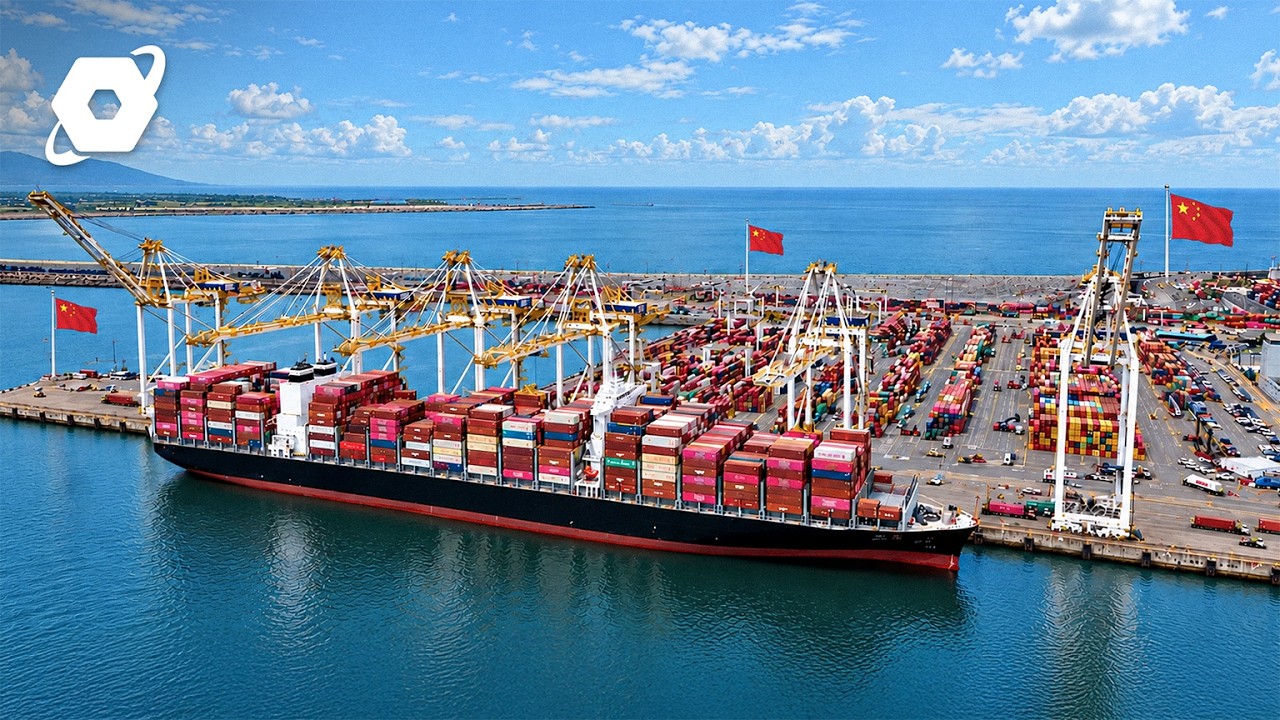
How the US–China Trade War Reshaped Southeast Asia | FULL DOUCMENTARY
Title history
- How the US–China Trade War Reshaped Southeast Asia | FULL DOUCMENTARY — observed on 20261027-2036 UTC (YouTube)
Keywords
Summary
153 words
Critical Evaluation
Value of the Information & Strength of the Argument
The value of this documentary lies in its human-centric perspective, giving voice to factory workers, restaurant owners, retired admirals, and economists. It effectively conveys the everyday consequences of superpower rivalry, making geopolitics tangible. The argumentation is built around the theme of ‘balancing act’—that Southeast Asian nations must weigh economic gains from China against security ties with the US. Insights such as the Philippine mayor’s optimism about Chinese investment versus the admiral’s caution, or the Vietnamese worker’s experience, provide concrete evidence. However, the argumentation occasionally relies on anecdote rather than robust data, and the documentary does not deeply interrogate the long-term risks of debt traps or governance issues. Overall, it offers a persuasive narrative but could be strengthened with more quantitative analysis.
Scientific Rigor, Source Quality, Title Accuracy
The documentary claims no formal citations but features expert opinions, including a retired Philippine Navy admiral and economists. The South China Sea tribunal ruling is referenced without specific citation, and the Belt and Road Initiative is discussed with allegations of debt traps but without verifying sources. The title is accurate and matches the content, though the typo ‘DOUCMENTARY’ is notable. No comments were provided for analysis.
202 words
Title / Content Match
The title accurately reflects the documentary's focus on how the US–China trade war has impacted Southeast Asia, covering economic, political, and security dimensions. The typo in 'DOUCMENTARY' is a minor flaw.
Quality & Reliability
7/10
The documentary provides on-the-ground accounts from a variety of stakeholders—business owners, workers, government officials, and academics—offering a nuanced view of the region. However, it lacks rigorous citation of data sources and some claims are presented without clear evidence, limiting its overall reliability.
Key Moments
Markers derived by PSI from the transcript: the creator did not define chapters.
- Opening: Southeast Asia caught between US and China rivalry.
- Philippines: Clark Air Base history and New Clark City investment debate.
- Vietnam: trade war bonanza and reliance on US market.
- Thailand: manufacturing hub and Delta Electronics expansion.
- Indonesia: Belt and Road cooperation, vaccine distribution, and infrastructure.
- ASEAN neutrality and efforts to negotiate a code of conduct.
Contribution & Novelties
The documentary contributes a regional overview of the trade war’s effects, distinguishing itself through intimate interviews and a focus on non-elite perspectives. It highlights the ambivalence of Southeast Asian nations, which welcome Chinese investment while maintaining historical ties with the US. The footage from Clark Air Base and the personal stories of those affected by economic shifts offer a fresh angle not typically covered in policy reports. However, it does not break new analytical ground, as similar themes appear in academic literature. For deeper exploration:
Pour aller plus loin :
- Philippines v. China (South China Sea arbitration) — Clarifies the legal basis for territorial disputes.
- Belt and Road Initiative — Provides context on China’s infrastructure strategy and its reception.
- China–United States trade war — Details the tariff measures and economic consequences.
- ASEAN — Explains the regional bloc’s neutrality and decision-making.
140 words
Radar Profile
The profile shows moderate scores across all dimensions, with a relatively higher quantity of information (8) and lower technical level (4). This suggests a documentary that is informative and accessible but lacks technical depth and rigorous sourcing, fitting a general-audience educational piece rather than an academic analysis.