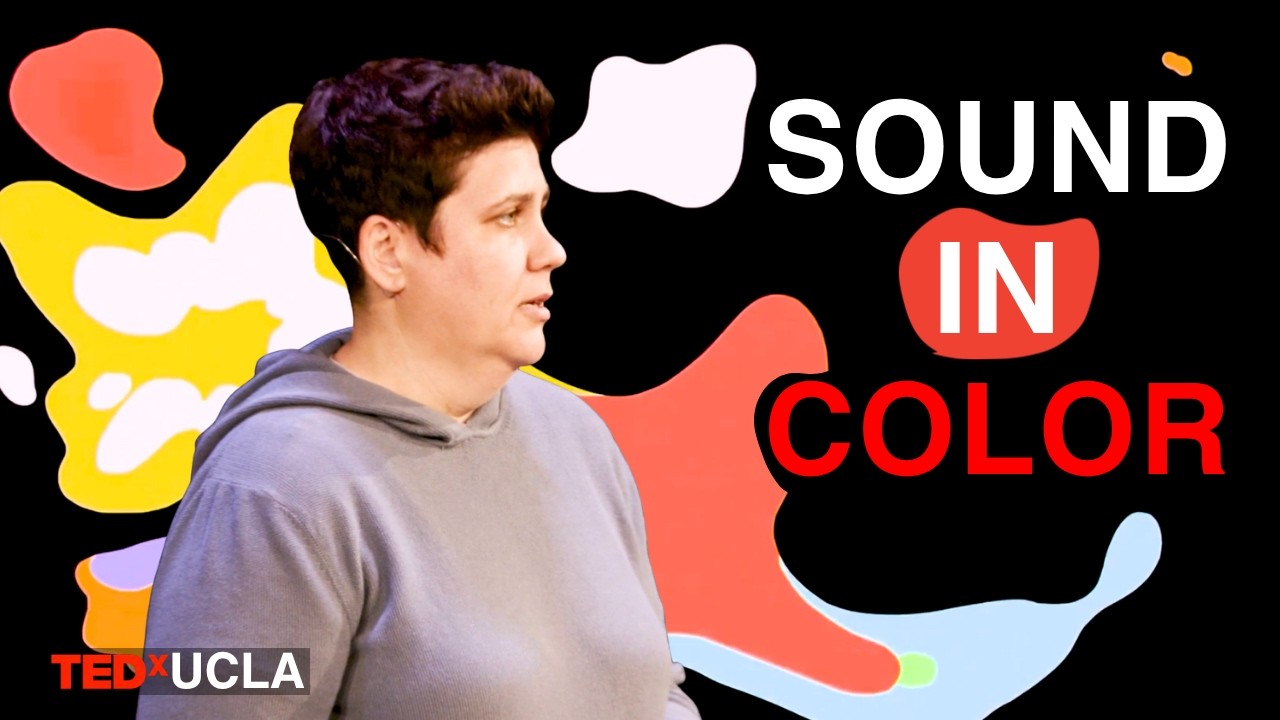
Synesthesia: How Seeing Sound in Color turned A Feeling into a Life | Corey Crossfield | TEDxUCLA
Keywords
Summary
146 words
Critical Evaluation
Value of the Information & Strength of the Argument
The value of this talk lies in its emotional authenticity and the vivid personal illustrations of synesthesia. The speaker uses concrete sensory descriptions (colors, textures) to convey how synesthesia affects her daily life, making the condition relatable to a general audience. However, the argumentation is anecdotal rather than systematic; no scientific studies or data are presented to explain the neurological underpinnings. The talk relies on the power of storytelling and metaphor, which is effective for emotional engagement but lacks the rigor of evidence-based reasoning. The speaker’s argument that differences should be embraced is compelling, but it is not supported by external evidence, remaining at the level of personal testimony.
Scientific Rigor, Source Quality, Title Accuracy
The title is highly accurate and the content aligns closely with it, focusing on how synesthesia shaped the speaker’s feelings and life path. No academic sources are cited; the only link provided is the generic TEDx page. The talk does not reference any studies or expert opinions, making its scientific rigor low. However, as a first-person account, it offers valuable insight into the experiential side of synesthesia. The absence of references is notable, but the speaker does not make empirical claims beyond her own experience, which limits the need for external citations. The audience comments were not provided, so no analysis of public reaction is included.
230 words
Title / Content Match
The title accurately reflects the content: the speaker explains how her synesthesia (seeing sound in color) shaped her emotions and life journey.
Quality & Reliability
7/10
The talk is a personal and honest account of living with synesthesia, offering an authentic subjective perspective. However, it lacks scientific references and does not delve into the neurological basis of the condition, so its reliability as an information source is moderate, primarily representing personal experience.
Key Moments
Markers derived by PSI from the transcript: the creator did not define chapters.
- Corey describes her first memorable synesthesia experience at age 9, seeing colors on a TV screen.
- She recounts meeting a woman in a coffee shop while listening to 'Free Your Mind', describing the visual experience of her presence.
- Corey explains how she built a career in music marketing, connecting synesthesia to purpose in work.
- She talks about starting grad school and finding a community that understands her, using colors to describe belonging.
- Corey concludes with a reflection on embracing one's unique traits and asks the audience what they've been turning down.
Cited Sources
- TEDx official page — The talk was given as a TEDx event, and this link provides information about the TEDx program.
Contribution & Novelties
The talk offers a unique first-person perspective on synesthesia, specifically chromesthesia (sound-to-color), and how it intertwines with emotional and professional life. It emphasizes the potential for neurodivergent traits to become strengths when embraced. The storytelling approach personalizes a neurological condition, making it accessible and emotionally resonant.
Pour aller plus loin :
- Synesthesia — Overview of the condition, its types, and research context.
- Chromesthesia — Specific form of synesthesia where sound triggers color, directly relevant to the speaker’s experience.
- Emotion and memory — Explores how emotional experiences are encoded in memory, supporting the link between colors, feelings, and personal narratives.
99 words
Radar Profile
The radar profile shows moderate scores on information quantity and quality, with a notably low technical level and a moderate reliability score. This reflects a talk that is engaging and personally insightful but lacks scientific depth and technical rigor, focusing more on narrative than on empirical analysis.