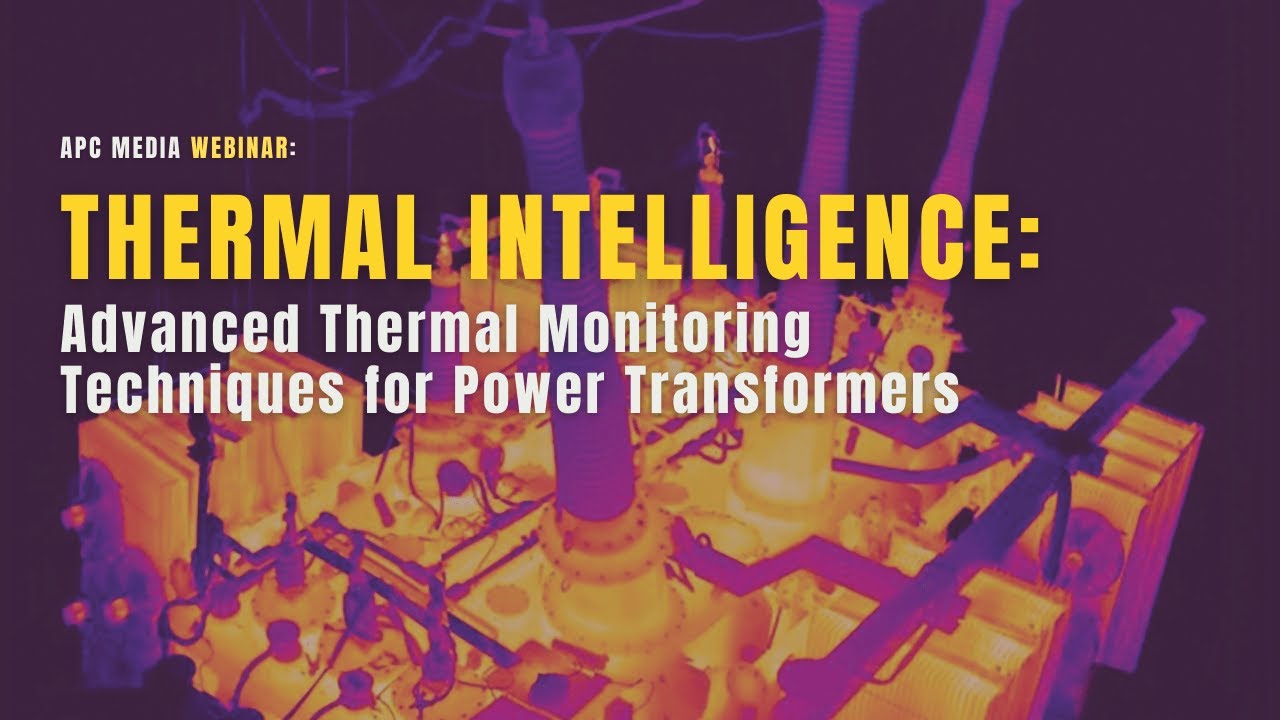
Thermal Intelligence: Advanced Thermal Monitoring Techniques for Power Transformers
Keywords
Summary
177 words
Critical Evaluation
Value of the Information & Strength of the Argument
The webinar provides valuable insights into practical applications of thermal monitoring in power transformers. The argumentation is based on real-world case studies and expert experience, which adds credibility. The presenters effectively demonstrate the benefits of continuous monitoring over traditional manual inspections, highlighting early fault detection and asset life extension. However, the presentation is largely anecdotal and lacks quantitative data or comparative analysis with other monitoring technologies. The argumentation is persuasive but could be strengthened with more rigorous evidence and independent validation.
Scientific Rigor, Source Quality, Title Accuracy
The scientific rigor is moderate. The webinar relies on expert opinion and case studies rather than peer-reviewed research. The sources cited are primarily the companies’ websites and LinkedIn pages, which are not independent. The title accurately reflects the content, and the presentation is well-structured. However, the lack of external references and the promotional nature of the content (given the vendor’s involvement) reduce its scientific credibility. The adequacy between title and content is good, but the content is more of a marketing-oriented presentation than a rigorous scientific analysis.
183 words
Title / Content Match
The title accurately reflects the content, focusing on advanced thermal monitoring techniques for power transformers.
Quality & Reliability
7/10
The webinar presents practical case studies and expert insights from utility and vendor perspectives, but lacks peer-reviewed sources and independent verification.
Key Moments
Markers derived by PSI from the transcript: the creator did not define chapters.
- Introduction of speakers and topic.
- Brad Boness discusses industry challenges and the need for condition-based monitoring.
- Roger Eli explains Georgia Power's monitoring program evolution.
- Description of the IM500 device and its features.
- Installation process and hurricane resilience.
- Data collection and integration with PI system.
- Real-world example: overheating bushing connection detected.
- Case study: missing draw lead nut discovered.
- Discussion on future trends and solar-powered options.
- Q&A session and closing remarks.
Cited Sources
- Power Systems Technology LinkedIn Page — Company page for updates and behind-the-scenes content.
- Transformer Technology LinkedIn Page — Company page for transformer-related content.
- Women in Power Systems LinkedIn Page — Company page for women in power systems.
- Power Systems Technology Website — Official website with resources and offerings.
- Newsletter Subscription — Subscribe for exclusive content and updates.
Concurring Sources
- IEEE Guide for the Interpretation of Gases Generated in Oil-Immersed Transformers — Standard for DGA interpretation, aligns with monitoring practices.
Contribution & Novelties
The webinar provides a practical overview of implementing thermal monitoring on power transformers, with real-world examples from Georgia Power. It highlights the benefits of continuous monitoring over manual inspections, including early fault detection and asset life extension. The presentation also discusses the integration of IoT devices with existing utility systems, such as PI, and the use of solar power for remote installations.
Pour aller plus loin :
- Dissolved Gas Analysis — Relevant for understanding the baseline monitoring technique mentioned.
- Condition-based maintenance — Provides context on the maintenance strategy discussed.
- Infrared thermography — Related to the thermal imaging technology used.
99 words
Radar Profile
The radar profile shows high scores in quantity of information and technical level, indicating a content-rich presentation. However, the quality of information and global reliability are slightly lower, reflecting the reliance on anecdotal evidence and promotional content.
💬 No comments were provided for analysis.