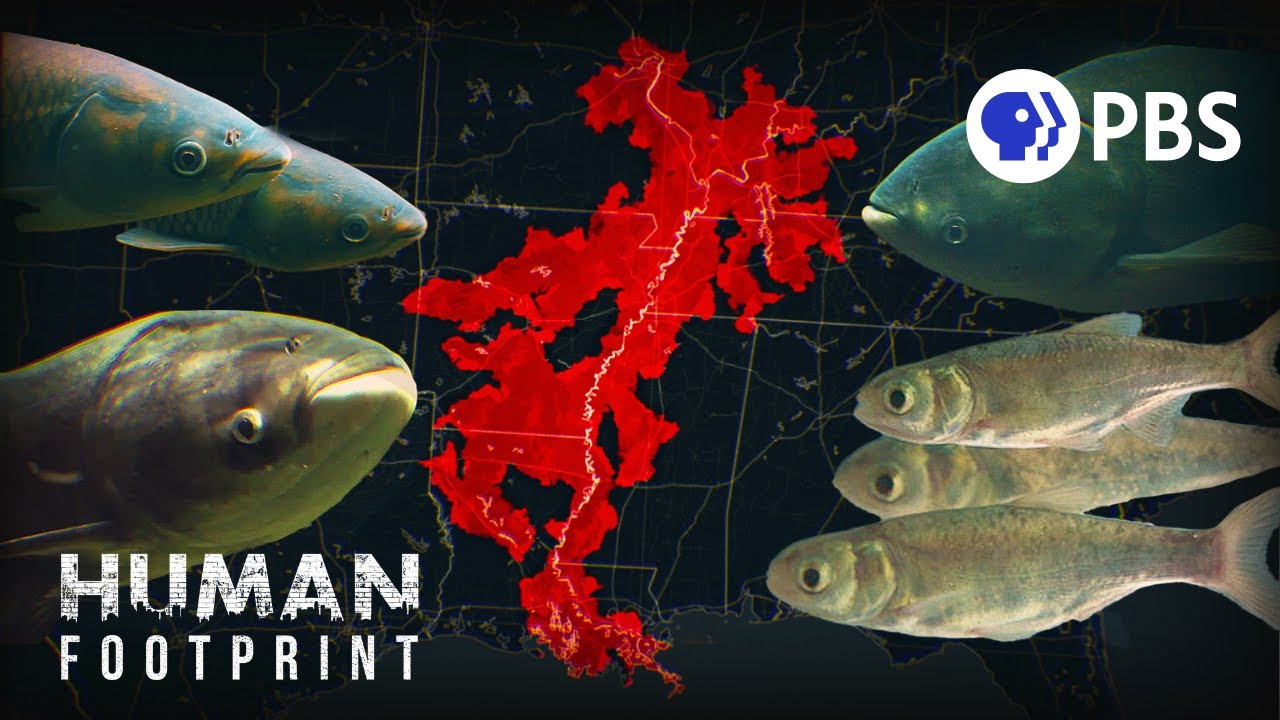
We Brought This Fish To America. Now We Can't Get Rid Of It
Keywords
Summary
144 words
Critical Evaluation
Value of the Information & Strength of the Argument
The video provides valuable information on the invasive carp issue, combining historical context, scientific explanations, and on-the-ground perspectives. The argumentation is solid, supported by expert interviews and visual evidence. The narrative effectively conveys the complexity of the problem and the various strategies being employed, from high-tech barriers to culinary rebranding. The documentary does not shy away from the challenges, including the difficulty of changing public perception and the high costs of infrastructure projects. The argument that a combination of approaches is necessary is well-supported by the examples presented.
Scientific Rigor, Source Quality, Title Accuracy
The scientific rigor is generally good, with credible experts and institutions featured. However, the video does not provide direct citations to scientific literature, which limits its academic depth. The sources used are primarily expert testimony and general knowledge, which are reliable but not exhaustive. The title accurately reflects the content, and the documentary maintains a clear focus on the topic. The production quality is high, with engaging visuals and clear explanations. The video does not explicitly address potential counterarguments, but it presents a balanced view of the issue.
191 words
Title / Content Match
The title accurately reflects the content: the video explores the history, impact, and control efforts of invasive Asian carp in American waterways.
Quality & Reliability
8/10
The video is a well-produced documentary from PBS Terra, featuring interviews with experts (journalist Andrew Reeves, Army Corps of Engineers Scott Whitney, chef Soowha Yu) and on-the-ground footage. It presents scientific and historical information about invasive carp, but lacks explicit citations or references to peer-reviewed studies, relying instead on expert testimony and general knowledge.
Key Moments
Markers derived by PSI from the transcript: the creator did not define chapters.
- Introduction to the invasive carp problem and the high-tech war to stop them.
- Andrew Reeves explains the history of Asian carp introduction and their intended purposes.
- Scott Whitney discusses the Brandon Road Lock and Dam project and the $800 million cost.
- Footage from the Redneck Fishing Tournament and the community effort to catch carp.
- Chef Soowha Yu demonstrates how to cook copi and discusses the rebranding effort.
- Conclusion: new evidence of carp in the Great Lakes and the need for continued efforts.
Cited Sources
- Human Footprint - PBS — The documentary series that this video is part of.
- PBS Terra YouTube Channel — Earth Month playlist featuring related content.
- PBS Donation Page — Support for PBS member stations.
Concurring Sources
- USGS Nonindigenous Aquatic Species Database — Provides data on the distribution of Asian carp in the US, supporting the video's claims.
Dissenting Sources
- Some commercial fishing interests — There may be conflicting views on the effectiveness of commercial fishing as a control method, but the video does not address these.
Contribution & Novelties
The video provides a comprehensive overview of the invasive carp issue, combining historical, ecological, and socio-economic perspectives. It highlights innovative solutions, such as the multi-barrier approach at Brandon Road and the culinary rebranding of carp as ‘Copi’. The documentary emphasizes the importance of public engagement and market-based solutions in invasive species management.
Pour aller plus loin :
- Invasive species - Wikipedia — Provides general background on invasive species and their impacts.
- Asian carp - Wikipedia — Detailed information on the specific carp species discussed.
- Great Lakes invasive species - NOAA — Educational resource on invasive species in the Great Lakes.
- Brandon Road Lock and Dam - USACE — Official project page for the carp barrier.
- Copi - Illinois Department of Natural Resources — Information on the Copi rebranding initiative.
129 words
Radar Profile
The radar profile shows high scores in information quantity and quality, indicating a well-researched and informative video. The technical level is moderate, making it accessible to a general audience while still providing depth. Overall reliability is high, supported by credible sources and expert interviews.
💬 Positive. Many commenters express support for eating carp and suggest various uses, while others share personal experiences and regional observations. The overall tone is constructive and engaged, with a few humorous remarks.