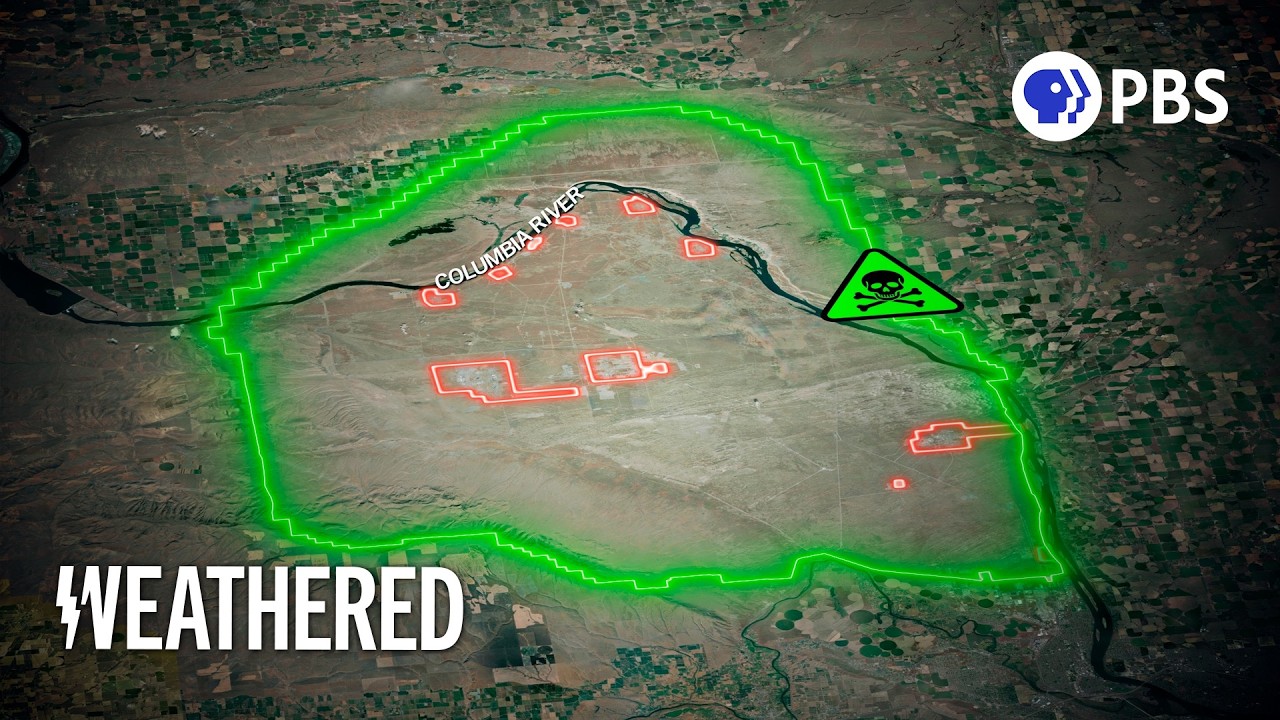
America's Most TOXIC Site Could Be Worse Than CHERNOBYL
Keywords
Summary
148 words
Critical Evaluation
Value of the Information & Strength of the Argument
The video provides valuable information about the Hanford Site, a topic often overlooked, and effectively communicates the scale and complexity of the nuclear waste problem. It presents a balanced argument by including perspectives from experts, environmentalists, and tribal members, allowing viewers to understand the multifaceted issues. The argumentation is generally solid, but it could be strengthened by providing more specific data and citations for some claims, such as the exact health impacts or the cost of cleanup.
Scientific Rigor, Source Quality, Title Accuracy
The video demonstrates a high level of scientific rigor by featuring interviews with experts in nuclear waste management, environmental science, and tribal affairs. It uses official reports and on-site footage to support its claims. The title accurately reflects the content, and the video does not exaggerate the severity of the situation. The sources cited in the description are relevant, but the video could benefit from more explicit references to scientific studies or reports.
165 words
Title / Content Match
The title accurately reflects the content, focusing on the severity of the Hanford site's contamination and comparing it to Chernobyl.
Quality & Reliability
8/10
The video relies on expert interviews, official reports, and on-site footage, providing a balanced view of the Hanford site's contamination and cleanup efforts. However, some claims lack precise citations, and the potential for bias in the presentation of nuclear power is present.
Key Moments
Markers derived by PSI from the transcript: the creator did not define chapters.
- Introduction to the Hanford Site and its status as the most toxic place in the Western Hemisphere.
- History of the Manhattan Project and the creation of Hanford for plutonium production.
- Description of the 56 million gallons of radioactive waste and the leaking underground tanks.
- Explanation of vitrification as a solution to stabilize the waste.
- Introduction to the growing demand for electricity from AI data centers and the interest in nuclear power.
- Discussion of the proposal to build small modular reactors at Hanford and the concerns about cleanup delays.
- Exploration of the environmental and cultural significance of Hanford, including its role as a wildlife refuge and its importance to the Yakama Nation.
- Conclusion weighing the risks and benefits of nuclear development at Hanford, emphasizing the need for cleanup and respect for treaty rights.
Cited Sources
- PBS Terra Patreon — Support page for the show.
- Weathered Merch — Merchandise store for the show.
- Related video on Hanford — Additional content on the Hanford site.
Concurring Sources
- Hanford Site - Wikipedia — Confirms the scale of contamination and cleanup efforts.
- Vitrification - Wikipedia — Supports the explanation of the vitrification process.
Dissenting Sources
- Nuclear power is clean and safe — Some experts argue that nuclear power is a safe and clean energy source, which contrasts with the video's emphasis on the dangers of nuclear waste.
External References
Contribution & Novelties
The video provides a comprehensive and accessible overview of the Hanford Site’s contamination and cleanup efforts, highlighting the potential conflict between nuclear development and environmental remediation. It brings attention to the often-overlooked perspective of the Yakama Nation and their treaty rights. The video also connects the Hanford issue to the broader debate about AI’s energy consumption and the future of nuclear power.
Pour aller plus loin :
- Hanford Site - Wikipedia — Provides a detailed history and current status of the site.
- Vitrification - Wikipedia — Explains the process of converting waste into glass.
- Yakama Nation - Wikipedia — Information about the Yakama people and their treaty rights.
108 words
Radar Profile
The radar profile shows high scores in information quantity, quality, and reliability, with a slightly lower score in technical level. This indicates a well-researched and informative video that is accessible to a general audience, but may not delve deeply into the technical details of nuclear waste management.
💬 Levée de boucliers. Sur les 30 commentaires analysés, la grande majorité exprime une opposition ferme à l'installation de data centers sur le site de Hanford, en raison des risques pour la santé et l'environnement, ainsi que des préoccupations concernant les droits des tribus autochtones.